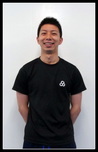
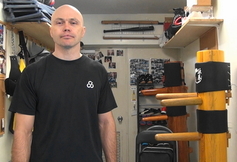
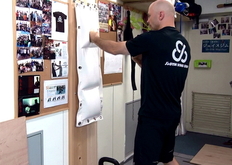
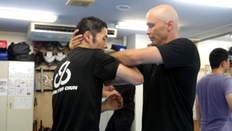
Wing Chun Head Instructor at J's Gym: Jesper Nielsen
|
Martial Arts Experience
I have been practicing and teaching Wing Chun for over 30 years. Throughout that time, I have also trained extensively in other martial arts—including Aikido, Karate, Kickboxing, Muay Thai, Submission Wrestling, BJJ, Escrima, and Kali. I didn’t study these arts just to collect techniques, but to pressure-test Wing Chun: to see what truly works, what doesn’t, and why.
|
Lineage and Functional Wing Chun
My main Wing Chun lineage is Leung Ting. Over the years, I have also explored other lineages, teachers, and approaches. Through this journey, one thing became very clear to me: many Wing Chun practitioners focus heavily on form, believing that correct form will automatically lead to correct function. In real application, this is often not the case.
Form is important—especially for beginners. But as your experience grows, function must take priority.
This is the foundation of what I teach: Functional Wing Chun. A practical, pressure-tested approach where efficiency, adaptability, and natural reactions matter more than rigid shapes. Training focuses on making techniques work against real resistance, not just in theory.
Form is important—especially for beginners. But as your experience grows, function must take priority.
This is the foundation of what I teach: Functional Wing Chun. A practical, pressure-tested approach where efficiency, adaptability, and natural reactions matter more than rigid shapes. Training focuses on making techniques work against real resistance, not just in theory.
Are you open-minded and curious?
|
Because of this approach, even experienced Wing Chun practitioners often find training here eye-opening. Many realize that what they thought was “correct form” was actually limiting their ability to move naturally, react efficiently, and apply techniques under pressure.
Functional Wing Chun is not limited to fighting only Wing Chun. It is meant to work against any attack. If you come from another martial art, you are welcome to test your skills against Wing Chun in a friendly, respectful training environment that prioritizes safety and learning for everyone involved. I regularly teach experienced Wing Chun practitioners and martial artists visiting Japan, and sessions often change how they view their own training and reactions. If you’re open-minded, curious, and interested in exploring a truly functional martial art, I invite you to train with us. |
Get in touch or fill out the form—we’d love to meet you.
FWC's approach to teaching Self-Defense:
Martial Arts & The Prevention Mindset
True self-defense is not about collecting techniques—it's about cultivating a holistic survival mindset.
While many traditional systems focus on isolated escape maneuvers (e.g., getting out of a headlock), the Functional Wing Chun philosophy is built on a comprehensive prevention-based framework. This methodology is far superior to rote memorization, teaching students to navigate danger across three critical phases:
- Before the Attack: Developing situational awareness to prevent the confrontation from ever starting.
- Under the Attack: Implementing core principles to prevent physical harm during an encounter.
- After the Attack: Ensuring future safety and preventing re-victimization.