- Published on
「形」の練習か、「理」の練習か?The Death of the "Dead" Hand
- Author
-
-
- Name
- Posts
- Posts
-


ウィングチュン(詠春拳)が「彫像」のような動きになっているなら、それは実戦ではリスクでしかありません。
多くの修行者が、タンサオ(Tan Sau)やウーサオ(Wu Sau)の「形」を完璧にすることに数年を費やします。手首の角度や手の高さばかりを気にしています。しかし、高ストレス下の実戦において、固まった「死んだ手」つまり静止した硬いポジションは、ただの標的に過ぎません。
J's GymのFWCには、単なる「ポーズ」は存在しません。そこにあるのは 理合 動きの根底にある論理です。
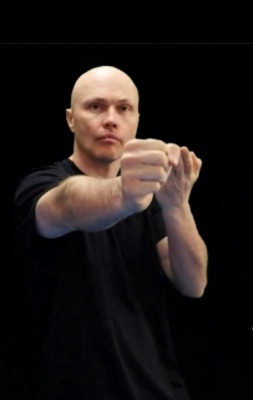
型(フォーム)に見られる手のポジションは「ゴール」ではありません。それは、中心線を占有する「くさび」が動いている瞬間の、一時的なスナップショットに過ぎないのです。
J's Gymの哲学は、「形よりも機能」です。 私たちは、相手の手を追いかけるのではなく、空間を支配することを教えます。美しく見せるための練習ではなく、スペースがなく時間が限られている状況で、システムを確実に機能させるための練習をしています。
ポーズの練習はやめましょう。「目的」の練習を始めましょう。 実戦的な能力へと繋がる、確かな一歩を共に踏み出しましょう。
The Death of the "Dead" Hand
If your Wing Chun looks like a statue, it’s a liability.
Many practitioners spend years perfecting the "shape" of a Tan Sau or a Wu Sau as if they were holding a pose for a painting. They worry about the exact angle of the wrist or the height of the palm. But in a high-stress confrontation, a "dead" hand—a static, rigid position—is just a target.
In Functional Wing Chun (FWC), we don’t have "poses." We have Riai (理合)—the underlying logic of movement.
The hand positions you see in our forms aren't goals; they are transient snapshots of a wedge in motion. * A Tan Sau isn't a "block" to be held; it is a displacement that occurs as you hit the centerline.
At J’s Gym, we prioritize Function over Form. We teach our students to stop "chasing hands" and start "occupying space." We don't practice to look good; we practice to make the system work when space is tight and time is short.
Stop practicing the pose. Start practicing the purpose. Let’s celebrate the small steps toward functional ability.
#FunctionalWingChun #FWC #JsGym #Shinmaruko #Kanagawa #MartialArtsLogic #Riai #SelfDefenseJapan #WingChunEvolution
多くの修行者が、タンサオ(Tan Sau)やウーサオ(Wu Sau)の「形」を完璧にすることに数年を費やします。手首の角度や手の高さばかりを気にしています。しかし、高ストレス下の実戦において、固まった「死んだ手」つまり静止した硬いポジションは、ただの標的に過ぎません。
J's GymのFWCには、単なる「ポーズ」は存在しません。そこにあるのは 理合 動きの根底にある論理です。
型(フォーム)に見られる手のポジションは「ゴール」ではありません。それは、中心線を占有する「くさび」が動いている瞬間の、一時的なスナップショットに過ぎないのです。
- タンサオは「保持する受け」ではありません。打ち込みながら相手を弾き飛ばす「変位」の動きです。
- 動きが止まった瞬間、その構造からは「バネ」と「目的」が失われます。
J's Gymの哲学は、「形よりも機能」です。 私たちは、相手の手を追いかけるのではなく、空間を支配することを教えます。美しく見せるための練習ではなく、スペースがなく時間が限られている状況で、システムを確実に機能させるための練習をしています。
ポーズの練習はやめましょう。「目的」の練習を始めましょう。 実戦的な能力へと繋がる、確かな一歩を共に踏み出しましょう。
The Death of the "Dead" Hand
If your Wing Chun looks like a statue, it’s a liability.
Many practitioners spend years perfecting the "shape" of a Tan Sau or a Wu Sau as if they were holding a pose for a painting. They worry about the exact angle of the wrist or the height of the palm. But in a high-stress confrontation, a "dead" hand—a static, rigid position—is just a target.
In Functional Wing Chun (FWC), we don’t have "poses." We have Riai (理合)—the underlying logic of movement.
The hand positions you see in our forms aren't goals; they are transient snapshots of a wedge in motion. * A Tan Sau isn't a "block" to be held; it is a displacement that occurs as you hit the centerline.
- The moment it stops moving, it loses its "spring" and its purpose.
At J’s Gym, we prioritize Function over Form. We teach our students to stop "chasing hands" and start "occupying space." We don't practice to look good; we practice to make the system work when space is tight and time is short.
Stop practicing the pose. Start practicing the purpose. Let’s celebrate the small steps toward functional ability.
#FunctionalWingChun #FWC #JsGym #Shinmaruko #Kanagawa #MartialArtsLogic #Riai #SelfDefenseJapan #WingChunEvolution
0 Comments